Finding the right art project for a child can feel like hunting for a needle in a haystack—except the needle is a glittery glue gun and the haystack is a sea of Pinterest boards. Whether you’re a parent, teacher, or volunteer, knowing how to find age‑appropriate art projects is the first step toward sparking creativity without sparking frustration. In this guide, we’ll walk through the fundamentals, share practical Hasbro sources, and give you a quick‑start checklist that turns the art hunt into a breeze.
Understanding Age‑Appropriateness
Developmental Milestones
Art isn’t just a hobby; it’s a developmental tool. Young children learn through sensory play, while older kids can tackle more complex concepts.
- Ages 2‑4: Focus on texture and basic shapes. Ages 5‑7: Introduce color mixing and simple patterns. Ages 8‑10: Encourage perspective, shading, and storytelling. Ages 11‑13: Offer mixed media and critical analysis of technique.
Common Misconceptions
It’s easy to think “any art project is fine” because kids love to be messy. However, age‑appropriateness ensures safety, engagement, and learning.
- Safety first: Sharp scissors or toxic paints are a no‑no for toddlers. Skill level matters: A 12‑year‑old will quickly lose interest if a project is too simple.
A Quick Quote
> “The child’s imagination is the most powerful tool in the world.” – Unknown
It reminds us that the right project fuels imagination, not just the child's age.
Sources for Finding Projects
Educational Websites
Many reputable sites curate projects by age. Look for those that include clear instructions, required materials, and learning objectives.
- PBS Kids: Offers science‑based art tied to curriculum. National Art Education Association: Provides lesson plans for all grades.
Library Resources
Local libraries often host art kits or have books with step‑by‑step guides. Ask the librarian for “children’s art projects” sections.

- Children’s Book Club: Many libraries host monthly art challenges.
Community Centers
Community centers and museums frequently run workshops. These are usually tailored to the local demographic and age groups.
- After‑school programs: Great for project ideas that double as homework help.
Parent‑Teacher Associations
PTAs sometimes organize craft days. The projects are vetted by teachers who know the age group’s capabilities.
Filtering Projects by Age
Age Ranges and Skill Levels
Create a simple matrix:
- Young (2‑4): 1‑2 hour projects, minimal supervision. Middle (5‑7): 30‑45 minute projects, moderate guidance. Older (8‑10): 45‑60 minute projects, independent with prompts. Pre‑teen (11‑13): 60+ minute projects, encourages experimentation.
Safety Considerations
- Non‑toxic materials: Water‑based paints, food coloring, and washable markers. Sharp tools: Use child‑safe scissors or pre‑cut shapes. Allergies: Check for latex or other common allergens in glue or paints.
Customizing Projects to Keep Kids Engaged
Adapting Materials
If a project calls for expensive supplies, swap them for household items.
- Example: Replace expensive gel pens with regular ballpoint pens and a bright colored paper. Tip: Reuse jars for paint containers; it’s eco‑friendly and fun.
Adding Themes
Kids love stories. Tie the project to a theme they’re excited about.
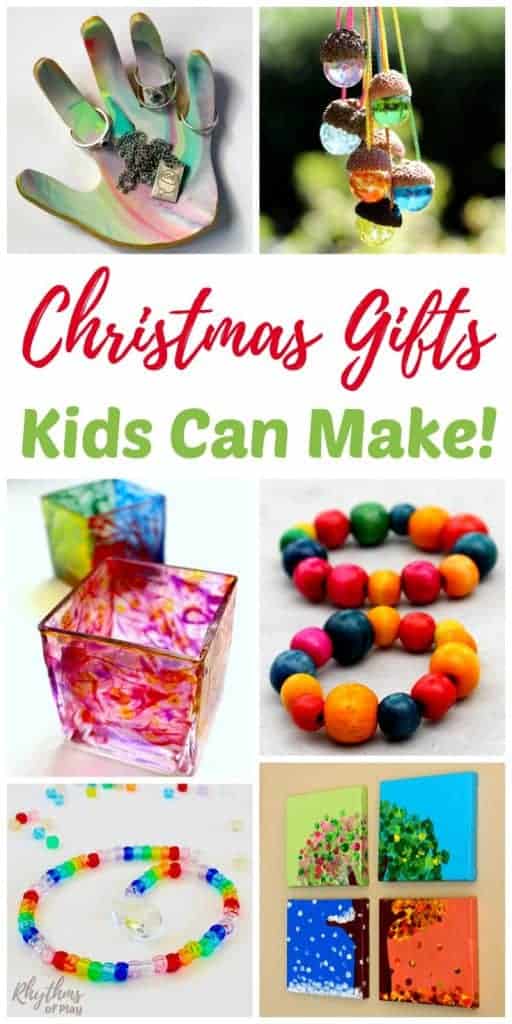
- Seasonal: Halloween pumpkins, Christmas ornaments. Pop culture: Favorite cartoon characters or superheroes. Cultural: Celebrate festivals like Diwali or Lunar New Year.
Practical Tips and Quick Checklist
- Assess the child’s interests before selecting a project. Check the time commitment; a rushed project can lead to frustration. Gather materials in advance to avoid mid‑project scavenger hunts. Set up a clean, safe workspace—a plastic tablecloth works wonders. Encourage reflection: Ask “What did you like most about this?” Store finished work: Create a rotating gallery at home or in the classroom.
Bringing It All Together – A Real‑World Example
Last month, I was helping a group of 6‑year‑olds create “rainbow paper mache animals.” The project was chosen from a local library’s art kit. The steps were simple:
Mix flour and water into a paste. Roll paper strips over a balloon shape. Paint with water‑based colors. The kids loved the tactile experience and the vibrant colors. One child, Maya, exclaimed, “It’s like making a rainbow that can hop!” The project was age‑appropriate, safe, and sparked a spontaneous debate about the science of rainbows—an unexpected bonus.Making Your Selection Count
Choosing the right art project isn’t just about keeping a child occupied; it’s about nurturing a lifelong love of creativity. By understanding developmental stages, sourcing reputable ideas, filtering for safety, and adding personal touches, you can transform any art session into a memorable learning adventure.
Remember, the goal isn’t perfection but participation. So pick a project, gather your supplies, and let the child’s imagination run wild—just make sure the paint doesn’t end up on Beach items the teacher’s shoes!